Verify Everything
Don't rely on caller ID or email addresses alone. Call back using official numbers from company websites. Check business registrations through ASIC. Take time to confirm identities through multiple channels.

Every year, Australians lose millions to scams that could've been avoided with the right knowledge. We teach you how to spot deception, verify transactions, and protect what you've worked hard to build.
Explore Learning Options
Recognizing the warning signs makes all the difference. Here's what we focus on in our workshops and learning materials.
They promise guaranteed returns and create urgency. We'll show you how to verify investment opportunities and identify red flags in financial pitches before you commit your money.
Fake emails and websites look incredibly real these days. You'll learn to check URLs, verify sender addresses, and recognize the language patterns fraudsters use to trick people.
Personal information gets stolen in ways most people don't expect. We cover how your data gets compromised and practical steps to monitor your credit and financial accounts effectively.
These scams exploit emotions and build trust over months. Learn the progression patterns, financial request tactics, and how to help loved ones who might be targeted.
Fake invoices, CEO fraud, and supplier scams cost companies significantly. We teach verification protocols and internal controls that protect business finances from sophisticated attacks.
Digital currency creates new opportunities for fraud. Understand wallet security, exchange verification, and how to research projects before investing in cryptocurrency markets.

Don't rely on caller ID or email addresses alone. Call back using official numbers from company websites. Check business registrations through ASIC. Take time to confirm identities through multiple channels.
Legitimate businesses rarely demand immediate payment or threaten consequences. When someone pressures you to act fast, that's your signal to slow down and investigate thoroughly.
Your details have value. Use different passwords for banking, enable two-factor authentication everywhere possible, and review your credit report regularly through official channels.
Keep records of suspicious contacts, save emails, take screenshots. If something feels wrong, having documentation helps authorities track patterns and potentially recover funds.
Contact your bank within minutes if you suspect fraud. Report scams to Scamwatch and local police. Quick action can prevent further damage and helps protect others from the same scheme.
| Element | Legitimate Transaction | Fraudulent Transaction |
|---|---|---|
| Communication Style | Professional tone, clear contact details, no pressure tactics, allows time for decisions | Creates urgency, threatens consequences, vague contact information, demands immediate action |
| Payment Methods | Standard payment options, secure platforms, reversible transactions, proper receipts provided | Demands gift cards, cryptocurrency, wire transfers, untraceable methods, no documentation |
| Verification Process | Registered business, searchable online, verifiable address, listed phone numbers | Can't verify registration, generic email addresses, changing contact details, no physical location |
| Documentation | Detailed contracts, clear terms, proper invoices, transparent fee structures | Vague agreements, hidden fees, confusing terms, refuses written documentation |
| Red Flags | Consistent branding, proper grammar, realistic promises, established online presence | Spelling errors, too-good offers, guarantees of returns, newly created websites or profiles |
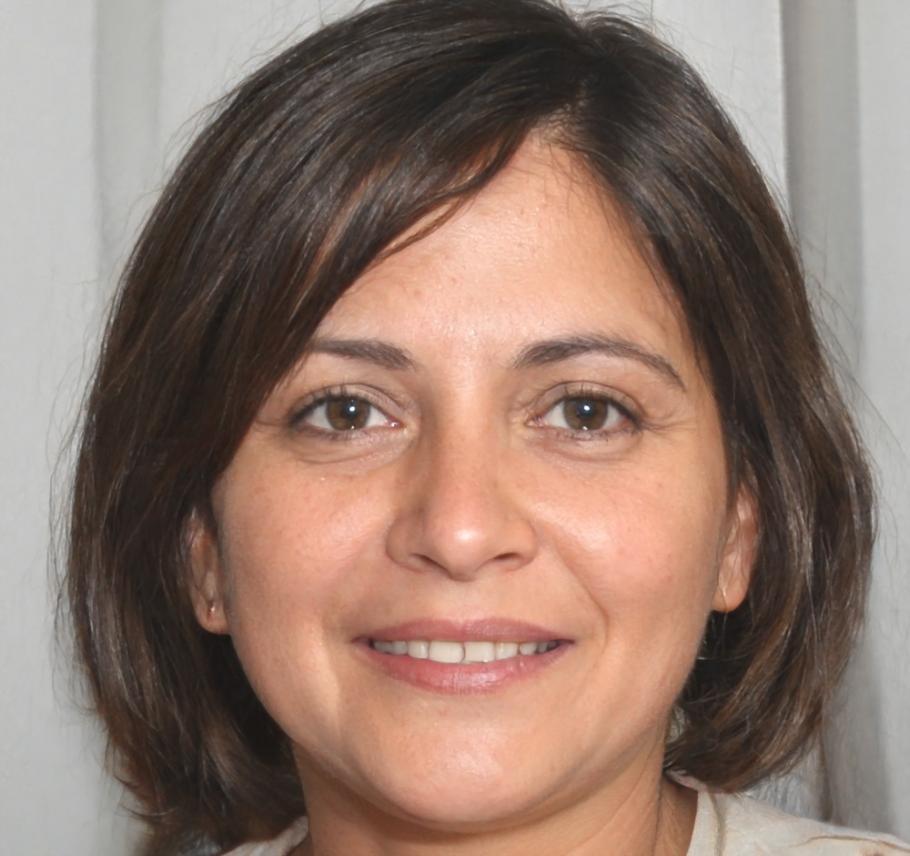
After spending twelve years tracking financial crimes across Sydney, Ingrid now teaches people how to recognize sophisticated scams. She's investigated everything from small phishing attempts to multi-million dollar investment fraud schemes.
Read More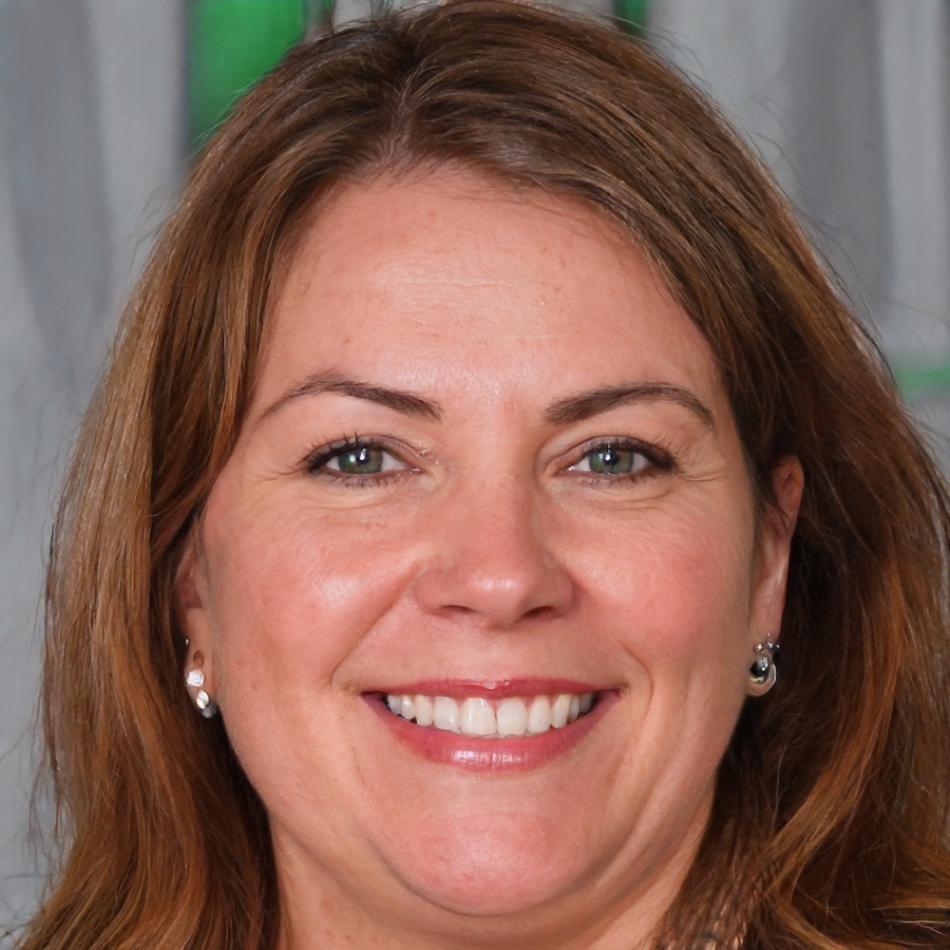
Veera specializes in digital security and online fraud prevention. She's helped hundreds of small businesses strengthen their financial controls and taught countless individuals how to protect their personal information online.
Read MoreOur September 2025 workshop series starts accepting registrations in July. Spots fill quickly because we keep classes small for better interaction and practical learning.